How Much Does a Cyber Security Risk Assessment Cost, and Why it is worth it?

cost of a StormWarning audit
Introduction:
In today's rapidly evolving digital landscape, the importance of cybersecurity cannot be overstated. As organizations grapple with the increasing complexity of threats, integrating robust risk management practices is a fundamental necessity. This article explores the intricacies of cyber security risk assessments, delving into their significance, especially in the context of frameworks like the NIST Cybersecurity Framework and compliance with legislation such as the Protection of Private Information Act in South Africa (PoPIA).


To properly address this conversation, it is imperative to initially consider the financial implications associated with noncompliance or the consequences stemming from a cybersecurity breach event..

So what does it cost to just ignore your organisations's CyberSecurity deficiencies?

The potential costs of noncompliance with legislation in the modern world can be substantial and multifaceted. These costs can vary depending on the specific regulatory framework, industry, and the severity of the noncompliance.
Here are some potential consequences and costs associated with noncompliance:

  1. Financial Penalties:

    • Regulatory bodies often impose financial penalties for noncompliance. These penalties can range from fines to more severe monetary sanctions based on the nature and extent of the violation.
  2. Legal Action and Lawsuits:

    • Noncompliance may lead to legal action and lawsuits from affected parties, including customers, employees, or regulatory authorities. Legal fees, settlements, and damage awards can contribute significantly to the overall cost.
  3. Reputational Damage:

    • Noncompliance can tarnish an organization's reputation, leading to a loss of trust among customers, partners, and stakeholders. Rebuilding trust and rehabilitating a damaged reputation can be a long and expensive process.
  4. Operational Disruption:

    • Some regulatory actions may require changes to business processes, leading to operational disruptions. Implementing necessary changes and ensuring ongoing compliance can result in additional costs.
  5. Loss of Business Opportunities:

    • Noncompliance can limit an organization's ability to participate in certain business opportunities, partnerships, or contracts. Being noncompliant with industry regulations may disqualify a company from consideration in competitive markets.
  6. Data Breach Consequences:

    • In the case of data protection regulations, noncompliance can result in data breaches. Beyond regulatory fines, the costs associated with investigating and mitigating a data breach, as well as potential lawsuits and settlements, can be substantial.
  7. Increased Oversight and Audits:

    • Noncompliance may trigger increased regulatory oversight and audits, leading to ongoing costs associated with responding to inquiries, providing documentation, and implementing corrective measures.
  8. Loss of Licenses or Permits:

    • Some regulatory violations can lead to the suspension or revocation of licenses or permits necessary for conducting business. This could have severe operational and financial implications.
  9. Insurance Implications:

    • Noncompliance may impact an organization's ability to secure insurance coverage or result in increased insurance premiums. This is particularly relevant in areas such as cybersecurity and data protection.
  10. Cybersecurity Risks:

  • Failure to comply with cybersecurity regulations may increase the risk of cyberattacks and data breaches, with associated costs for incident response, notification, and remediation.

Given these potential costs, organizations are increasingly recognizing the importance of investing in compliance management programs to mitigate risks, ensure adherence to regulations, and protect their overall financial and operational health.

In recent years, ransomware attacks have become a pervasive threat, wreaking havoc across industries and underlining the critical importance of cybersecurity compliance. One striking example is the 2017 WannaCry ransomware attack that affected organizations globally. This malicious software exploited vulnerabilities in Microsoft Windows systems, encrypting files and demanding ransom payments in Bitcoin. The attack disrupted operations in various sectors, including healthcare, with the UK's National Health Service (NHS) being notably impacted. Patient records were inaccessible, surgeries were canceled, and vital medical services were compromised, showcasing the immediate and tangible consequences of cybersecurity lapses.

Similarly, the Colonial Pipeline ransomware attack in 2021 had severe implications for critical infrastructure. The attackers, known as the DarkSide group, exploited vulnerabilities in the pipeline's systems, forcing a temporary shutdown. This disrupted fuel supplies to a significant portion of the United States, leading to fuel shortages and price spikes. The incident underscored the ripple effects of cybersecurity incidents on not just data integrity but also on the broader economic and societal landscape.

These instances highlight the need for robust cybersecurity measures and regulatory compliance to mitigate the risk of ransomware attacks. The consequences extend beyond financial losses, encompassing operational disruptions, reputational damage, and, in the case of critical infrastructure, potential threats to national security. As organizations grapple with evolving cyber threats, the imperative to prioritize cybersecurity and adhere to regulatory standards has never been more evident.

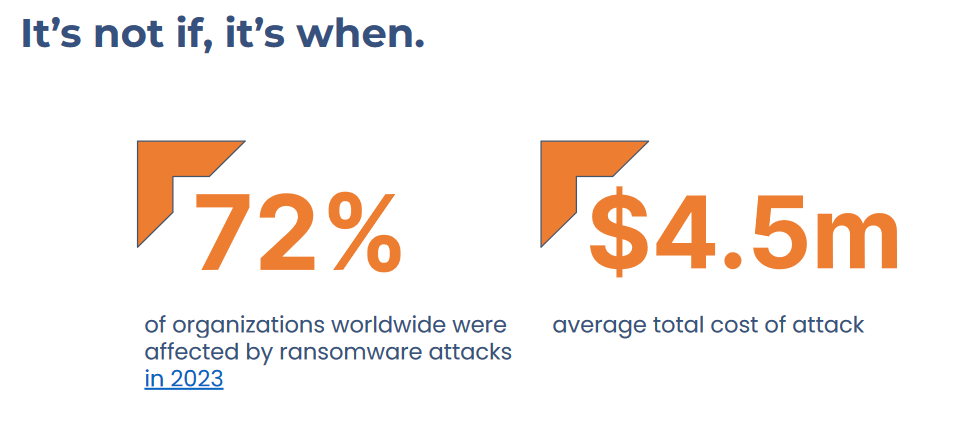
It is not if it is when

So How Much Does a Cyber Security Risk Assessment Cost?

Understanding the Foundations: The CIA Triad: The CIA triad – Confidentiality, Integrity, and Availability – forms the cornerstone of cybersecurity. Beyond being a mere technical set of digital controls, effective security demands a comprehensive approach. A successful cybersecurity risk assessment must scrutinize threats or events that could impact any of the three components. Physical events, financial incidents, and reputation events all play a role, potentially influencing an organization's confidentiality, integrity, or availability.

The Need for Third-Party Cybersecurity Risk Assessments: While every organization should consider a cybersecurity risk assessment, the decision to engage a third party depends on factors like internal skillsets, knowledge, and maturity. Sufficiently mature organizations may possess internal resources capable of undertaking the task. However, those lacking the necessary expertise may find it prudent to enlist external partners for a thorough assessment.

Unraveling the Budget Enigma: The critical question that arises next is: What is the potential budget request for a cybersecurity risk assessment? The cost and duration of such assessments can vary significantly based on several core factors.

Factors Influencing Cybersecurity Risk Assessment Costs:

  1. Scope of Assessment:

    • The breadth and depth of the assessment's scope significantly impact costs. Assessing a single application will cost less than evaluating an entire organizational infrastructure.
  2. Regulatory Compliance:

    • Compliance with regulations like the NIST Cybersecurity Framework and PoPIA in South Africa adds complexity to assessments. Meeting specific regulatory requirements necessitates a more thorough examination, influencing both time and cost.
  3. Data Sensitivity:

    • The sensitivity of the data being protected directly affects the level of scrutiny required. Assessing and safeguarding highly confidential information demands more resources and, consequently, a higher budget.
  4. Testing Methodologies:

    • The choice of testing methodologies, whether automated or manual, impacts costs. Manual testing tends to be more resource-intensive but may provide a more nuanced understanding of vulnerabilities.
  5. Organizational Complexity:

    • The complexity of an organization's IT infrastructure, networks, and interconnected systems contributes to the overall effort required. More complex structures demand a more comprehensive assessment, affecting costs accordingly.

Conclusion: In conclusion, investing in a cybersecurity risk assessment is a strategic imperative for all organizations. Whether undertaken internally or with the assistance of a third party, understanding the factors influencing cost is crucial. Organizations must carefully consider the scope, regulatory landscape, data sensitivity, testing methodologies, and their own complexity to formulate a realistic budget for safeguarding their digital assets. In the ever-evolving realm of cybersecurity, a well-executed risk assessment is not just a proactive measure; it is a vital component of a resilient and secure organizational framework.

StormWarning! CyberSecurity Consultants


                   Do you really still want to know what it costs?..

                           ...well contact StormWarning! today and we will do our very best to answer that question for you and your organisation, rest assured, we will diligently endeavor to support your organization while adhering to the constraints of your budget.

CONTACT US NOW!


So Why should you contact StormWarning! today?

Engaging with StormWarning! for an in-depth investigation of your company's cybersecurity risk profile is a strategic investment that pays dividends in safeguarding your digital assets.

With expertise grounded in the intricacies of cybersecurity frameworks such as NIST and a deep understanding of legislative landscapes like the Protection of Private Information Act (PoPIA) in South Africa, StormWarning! offers a comprehensive approach to risk assessments.

Our seasoned professionals adeptly navigate the CIA triad, ensuring a thorough examination of confidentiality, integrity, and availability. By tailoring assessments to your organization's unique needs, StormWarning! goes beyond mere technical controls, scrutinizing physical, financial, and reputation events that could impact your security posture.

With a commitment to excellence, StormWarning! not only identifies vulnerabilities but also provides actionable insights and solutions, empowering your organization to fortify its defenses effectively. Investing in StormWarning! is an investment in the resilience and security of your company's digital foundation.

CONTACT US NOW!


Related Articles

What is StormWarning! ?

 StormWarning! is a Cybersecurity consultancy. Our experienced team of cybersecurity experts provide cybersecurity assessments, cybersecurity training and cybersecurity solutions to organisations that have a high risk public profile. StormWarning! is your organisation's best defense against the ever growing cascade of innovative security threats raining down on all organisations with a public digital footprint.

What is Cybersecurity?

Cybersecurity is the practice of protecting critical systems and sensitive information from digital attacks. Also known as information technology (IT) security, cybersecurity measures are designed to combat threats against networked systems and applications, whether those threats originate from inside or outside of an organization. StormWarning! is constantly researching the latest cybersecurity threats and building innovative measures to prevent them.


NIST Audit & Targeted Cyber-Risk Training

StormWarning! offers comprehensive Cybersecurity Consulting, with a focus on its Automated Online Auditing Solutions, primarily the NIST CSF Readiness Audit. This audit is prioritized as its results directly inform the organization's needs for targeted cybersecurity training. By identifying specific gaps in risk management knowledge, they deliver precise education via Short Courses—like Cybersecurity Risk Management or Understanding Cybersecurity GRC—to ensure staff and leadership close deficiencies and maintain compliance.

Their full suite of services also includes robust Risk Management planning, development of essential Policies, impactful Cybersecurity Awareness Campaigns, and a security monitoring/incident response platform, StormFront. Additionally, we offer a resource library of Cybersecurity Books authored by our esteemed associate Dr. Zoran Mitrovic.