

As incidents of banking fraud and scams continue to rise, it has become increasingly crucial for consumers to remain vigilant about potential threats to their financial security.
According to the 2024 fraud statistics from the Southern African Fraud Prevention Service (SAFPS), reported fraud incidents increased by 32% over the past year. Of these incidents, banking fraud accounted for 45%, followed by the microfinance sector at 19% and retail at 14%.
BusinessTech engaged with Standard Bank to understand the current fraud threats and how consumers can protect themselves. Standard Bank outlined several initiatives to combat these scams. Clients can now securely log in to Online Banking by scanning a QR code or approving a Push Notification via the bank's app, eliminating the need to enter passwords. The bank also actively blocks suspicious transactions before they can reach clients’ accounts, further safeguarding their funds.
In addition, Standard Bank is committed to raising fraud awareness through various platforms, including in-app messages, Internet Banking banners, emails, social media, and shopping mall activations. These efforts equip clients with essential information to bank safely.
Consumers are also encouraged to stay updated on the latest scams through the Standard Bank Security Centre Scams page and the South African Fraud Prevention Service’s scams awareness pages.
Standard Bank shared several actions consumers can take to detect fraud and protect themselves:
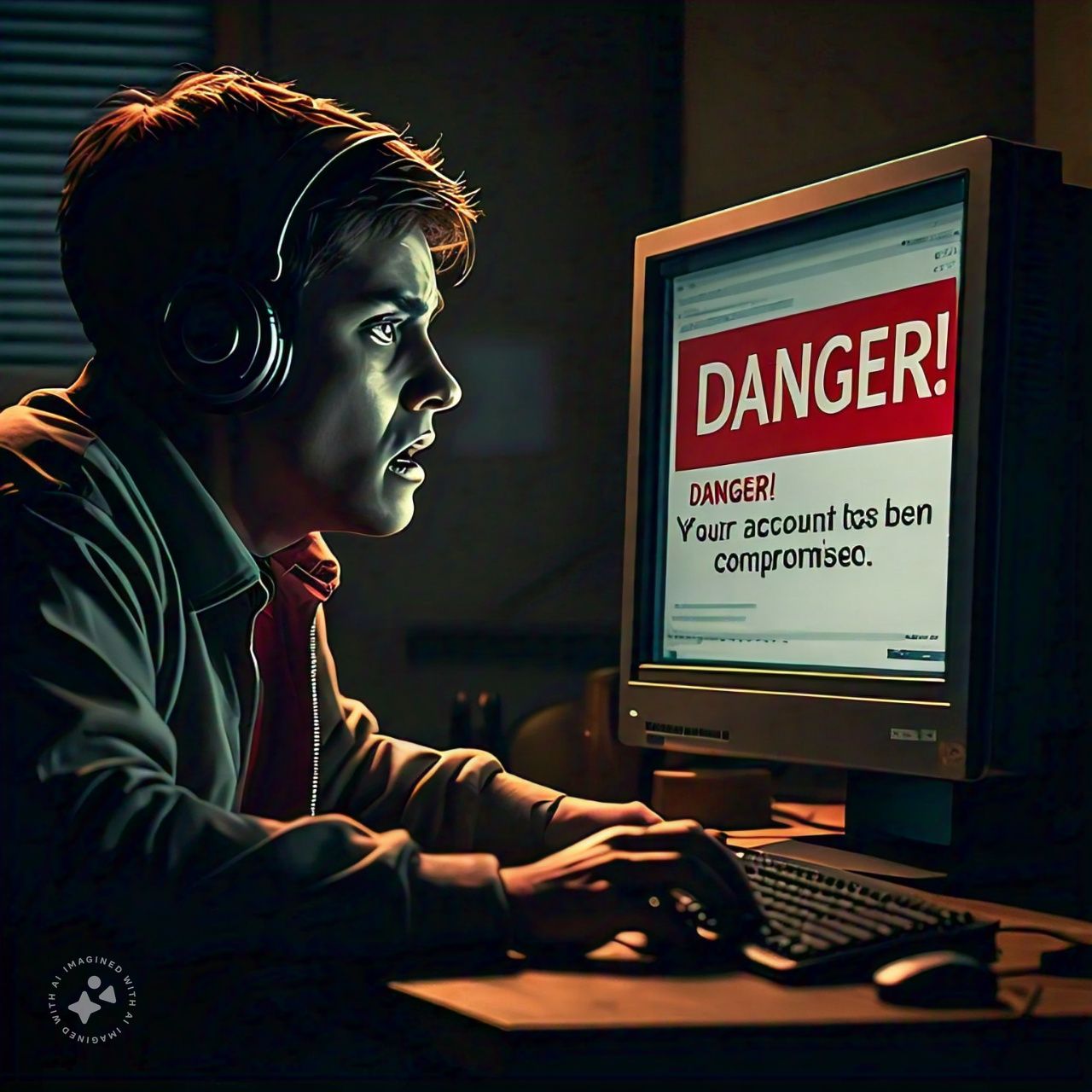
Vishing
Vishing, a form of social engineering, remains a prevalent digital fraud tactic. Fraudsters impersonate bank representatives, claiming that a customer’s account or funds are at risk. They may instruct the customer to perform an Instant Money transfer or reverse unauthorized transactions. Often, the fraudsters create a sense of urgency, leaving the customer little time to think, which increases compliance.
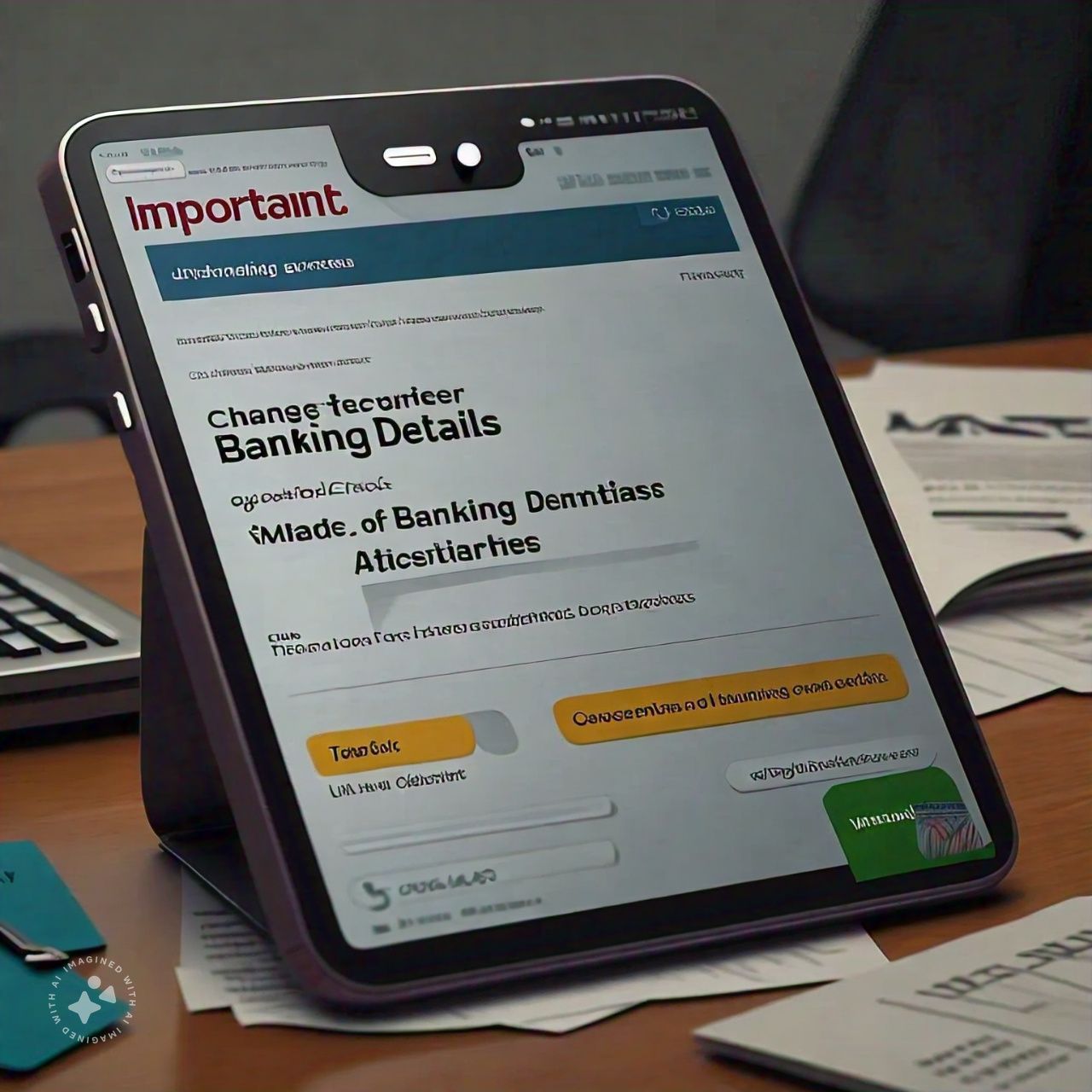
Change of Banking Details Scam
Fraudsters frequently intercept invoices or banking details sent via email and alter the banking information to divert payments to their accounts. Consumers are advised to verify email addresses for minor spelling errors, confirm any changes directly with suppliers, and be alert to any inconsistencies in communications. Using secure communication methods and training staff to recognize phishing attempts are also key steps to avoid this type of fraud.

Investment Scams
Job task scams, a form of investment fraud, are on the rise. Fraudsters offer secondary income opportunities via social media, email, or phone. They often request deposits in cryptocurrency, and though victims may receive small returns initially, the promised payouts never materialize. Consumers should verify the legitimacy of any investment offers, avoid high-pressure tactics, and seek professional financial advice.

Vehicle Purchase Scams
These scams frequently occur on platforms such as Facebook Marketplace, where fraudsters pose as reputable auctioneers and offer vehicles at discounted prices. Consumers are urged to research the seller, inspect the vehicle in person, and avoid making large upfront deposits.

Goods Scams
Fraudsters often list goods at low prices to lure buyers, particularly on online marketplaces. Consumers are advised to research the market value of items, inspect them before purchase, and be cautious of paying upfront.
By remaining alert and following these preventive measures, consumers can better protect themselves from various forms of fraud.
Is your organisation properly Cybersecurity Hardenned and also Privacy Legislation compliant?..
...Best you contact StormWarning! today not only will we will do our very best to answer that question for you and your organisation, but we will diligently endeavor to assist your organisation become Privacy legislation compliant and offer reliable CyberSecurity solutions while adhering to the constraints of your budget.
SOME CYBER SECURITY STATISTICS TO CONSIDER
How many cyberattacks per day?
According to Security Magazine, there are over 2,200 attacks each day which breaks down to nearly 1 cyberattack every 39 seconds.
How many people get hacked each year?
With around 2,220 cyberattacks each day, that equates to over 800,000 attacks each year.
What percentage of cyberattacks include a social engineering aspect versus a technical problem?
According to Cybint, nearly 95% of all digital breaches come from human error.